
In an age where consumer attention spans are shorter than ever, strong visual branding is essential. Whether you’re advertising on your storefront, labeling your products, or wrapping a vehicle, custom decals provide a powerful, affordable solution to get your brand noticed.
Table of Contents
These adhesive graphics go beyond simple decoration—they’re marketing tools that work around the clock. From eye-catching large decals to sleek printed decals on packaging, they allow businesses to project a professional, polished image consistently.
In this guide, we’ll explore how custom decals help you stand out, explain key material types, and highlight design and usage tips to maximize your branding efforts.
What Are Custom Decals?
These custom decals are personalized adhesive designs that stick to surfaces such as glass, metal, plastic, or walls. They are used across industries for promotional purposes, product labeling, safety messaging, or decor.
Thanks to their flexibility in size, shape, and design, decals are widely used by businesses of all sizes—from startups to large corporations—looking to increase brand exposure.
Types of Custom Decals: Lexan and Vinyl
Not all decals are made the same. The material used determines where and how they can be applied, how long they’ll last, and how they’ll look. Two of the most popular options are Lexan and Vinyl decals.
1. Lexan Decals
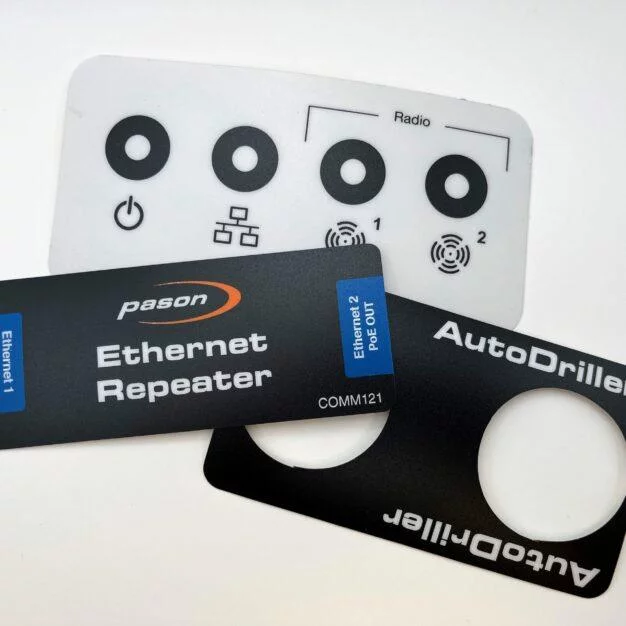
Lexan is a type of polycarbonate known for its durability and resistance to environmental stress. Lexan decals are often used in industrial and commercial environments where strength, heat resistance, and chemical resistance are essential.
Features
- Exceptional toughness
- Matte or gloss finishes
- Can endure harsh indoor environments
- Resistant to abrasion, moisture, and solvents
Ideal For:
Electrical safety warnings
Machinery panels
Equipment faceplates
Industrial control labels
Lexan decals are typically reverse-printed—meaning the design is printed on the back side of a clear sheet. This protects the graphic from wear and tear, making Lexan an ideal choice for labels that need to withstand constant handling or harsh conditions.
2. Vinyl Decals
Vinyl is the most commonly used material for custom decals, prized for its flexibility, vibrant color output, and durability. It works exceptionally well for both short-term promotions and long-term branding on various surfaces.
Features:
- Weather-resistant (rain, sun, wind)
- Available in gloss, matte, or transparent finishes
- Easily cut into custom shapes
- Simple to install and remove
Ideal For:
Outdoor signage
Vehicle wraps
Storefront windows
Wall graphics
Product packaging

Vinyl decals are perfect for both temporary events (like seasonal promotions) and long-term displays. They’re also ideal for printed decals due to their smooth surface and ability to showcase high-resolution graphics.
How Custom Decals Improve Brand Visibility
1. Continuous, Passive Marketing
Unlike digital ads that run only when you pay for them, custom decals offer constant exposure. Whether they’re on your delivery van, office window, or shipping boxes, they promote your brand every day without ongoing costs.
2. Cost-Effective Branding
Custom decals are one of the most budget-friendly branding tools. From a small batch of custom labels in Canada to a full fleet of vinyl-wrapped vehicles, decals scale to suit your marketing budget without compromising visibility.
3. Professional Appearance
Customers associate visual consistency with reliability. A clear, well-designed decal on your product or storefront signals attention to detail and professionalism—crucial for building trust.
4. Location Versatility
Decals are extremely adaptable. You can use large decals for wide surfaces like shop windows, or smaller versions for laptops, bottles, and takeaway containers. The options are limitless.
5. Memorable Design
A thoughtful decals design helps customers remember your brand. When used creatively—with bold colors, logos, and clear calls to action—decals become memorable touchpoints in the customer journey.

Printed Decals vs. Other Marketing Tools
While banners, flyers, and digital ads have their place, printed decals offer something unique—physical permanence and a real-world presence. They:
- Require no ongoing maintenance once installed
- They are less intrusive than digital pop-ups
- Blend seamlessly into the customer’s environment
- Reinforce your brand visually without saying a word
Businesses that use custom decals on vehicles or product packaging often benefit from increased word-of-mouth and social media visibility as customers photograph and share the creative designs.
Design Tips for High-Impact Custom Decals
If you want your decals to do more than decorate, consider these design principles:
- Simplicity is Key: Avoid clutter. Stick to a logo, slogan, or key visual element.
- Readable Fonts: Choose bold, legible typography, especially for large decals meant to be seen from a distance.
- Color Psychology: Use your brand colors, but also consider contrast and mood. Red grabs attention, while blue conveys trust.
- Scalability: Make sure your design works well at different sizes—what looks good on a window should also work on a product label.
FAQs About Custom Decals
Can I use custom decals outdoors?
Yes, especially vinyl decals. They’re designed to withstand weather conditions like rain and sunlight for several years. With the right installation and protective lamination, outdoor decals can maintain their appearance and adhesion for up to 7 years.
How long do Lexan decals last?
Lexan decals are built for longevity and can last 5–10 years in controlled environments, especially in industrial settings. Their resistance to chemicals, abrasion, and heat makes them ideal for demanding applications that require durability and clarity.
What surfaces do decals stick to?
Decals can adhere to glass, plastic, metal, painted wood, and smooth walls. Surface preparation is key for a lasting application. A clean, dry, and oil-free surface ensures the adhesive forms a strong bond that resists peeling and bubbles.
Are decals reusable?
Most decals are intended for single use, though some vinyl decals can be repositioned during installation if handled carefully. However, once fully adhered and cured, most decals lose their tackiness when removed and are not designed for reapplication.
Where can I get custom labels in Canada?
Many reputable print providers offer custom labels in Canada with fast shipping and tailored design services for local businesses. Look for suppliers that offer sample proofs and a range of materials to ensure your labels match your product and branding needs.
Conclusion
Whether you’re aiming to enhance packaging, decorate your storefront, or brand your fleet, custom decals offer a flexible, affordable, and effective solution to boost your visibility. With durable materials like Lexan for industrial strength and vinyl for creative freedom, you can find the perfect decal to meet your brand’s needs and environment. A strong decals design combined with proper placement will ensure your message doesn’t just get seen—it gets remembered.
In a competitive market, visual branding is a powerful differentiator. By incorporating high-quality decals into your marketing strategy, you not only elevate your brand’s presence but also create lasting impressions with minimal investment. Whether for short-term promotions or long-term use, decals give your business a practical edge in standing out.