
As organizations across Canada continue to expand their digital infrastructure, the demand for high-performance computing, artificial intelligence, machine learning, and cloud services is increasing rapidly. These workloads generate substantial heat, creating new challenges for traditional air-cooling methods. To address these challenges, many organizations are turning to direct liquid cooled servers. However, purchasing DLC servers is a significant investment that requires careful planning. Before making a decision, IT leaders, facility managers, and data center operators should evaluate several important factors to ensure they select the right solution for their operational goals.
Table of Contents
- Understanding Direct Liquid Cooled Servers
- 1. Are the Servers Compatible with Current Infrastructure?
- 2. What Cooling Performance Is Required?
- 3. How Scalable Is the Solution?
- 4. What Is the Total Cost of Ownership?
- 5. What Maintenance Requirements Should Be Expected?
- 6. Does the Solution Support Sustainability Goals?
- 7. What Level of Vendor Expertise and Support Is Available?
- Questions to Ask Vendors
- Frequently Asked Questions
- What are DLC servers?
- Are DLC servers suitable for AI workloads?
- How do liquid loop cooling systems work?
- Can direct liquid cooling reduce energy costs?
- Are liquid-cooled servers difficult to maintain?
- What industries benefit most from DLC servers?
- How do advanced server cooling solutions support sustainability?
- Conclusion
Understanding Direct Liquid Cooled Servers
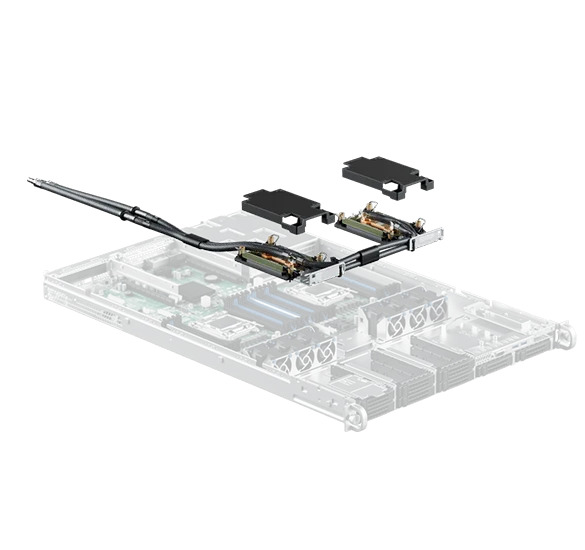
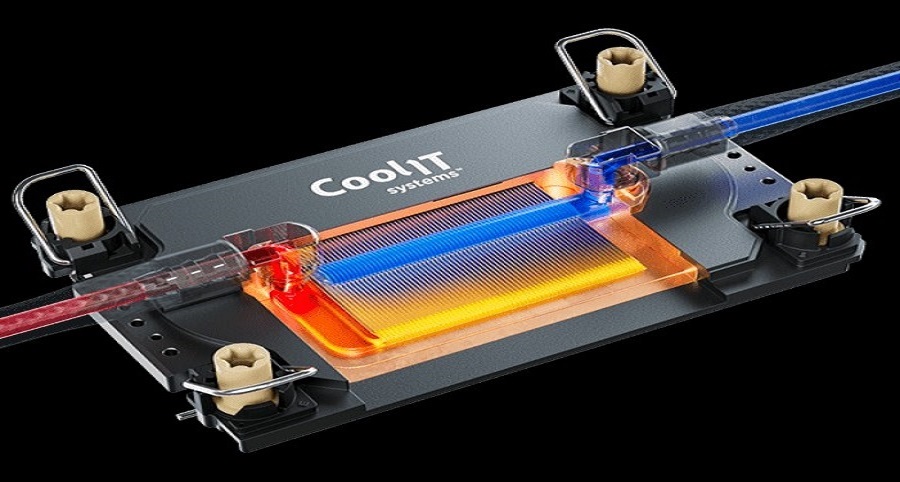
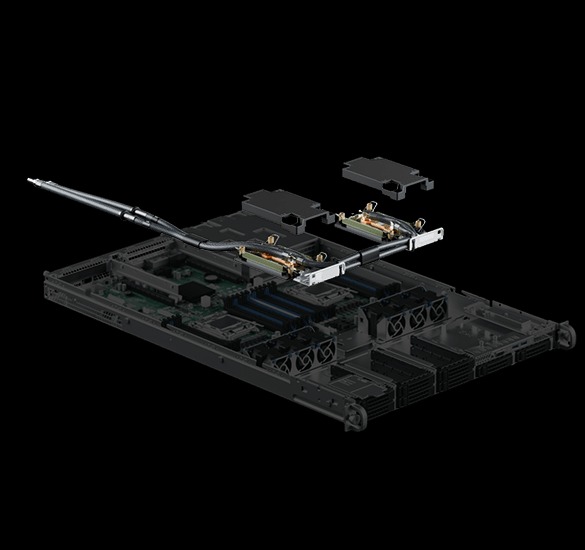
Unlike traditional air-cooled systems, direct liquid cooled servers use coolant delivered through specially designed cold plates attached to heat-generating components such as CPUs and GPUs. The heat is transferred to the liquid and removed via liquid loop cooling systems, reducing reliance on energy-intensive air conditioning.
As AI adoption grows across Canada, direct liquid cooling is becoming an increasingly attractive option for organizations seeking sustainable, efficient infrastructure solutions.
1. Are the Servers Compatible with Current Infrastructure?
Before purchasing DLC servers, assess whether the new equipment can integrate with existing data center infrastructure.
Key considerations include:
- Rack compatibility
- Facility water distribution systems
- Power delivery requirements
- Existing cooling architecture
- Monitoring and management platforms
Not all facilities are immediately designed to support direct liquid cooling technology. Understanding integration requirements early can prevent costly modifications later.
Questions to Consider
- Can existing racks support liquid-cooled hardware?
- Is there adequate space for cooling distribution units?
- Will infrastructure upgrades be required?
A comprehensive site assessment can help identify potential challenges before deployment.
2. What Cooling Performance Is Required?
Different workloads generate varying amounts of heat. AI training clusters, high-performance computing environments, and advanced analytics platforms used by organizations across Canada often produce significantly higher thermal loads than standard enterprise applications.
When evaluating DLC servers, determine:
- Current thermal demands
- Future workload growth
- Peak performance requirements
- Rack density objectives
Understanding Heat Removal Capacity
Ask vendors about:
- Maximum heat capture rates
- Coolant temperature ranges
- Support for high-power processors
- Cooling efficiency metrics
These factors directly influence operational performance and long-term reliability.
Building a high-performance data center? Call +1 403-770-5766 to explore advanced direct liquid cooling solutions.

3. How Scalable Is the Solution?
Technology requirements evolve rapidly. A server platform that meets today’s needs may become inadequate within a few years. When evaluating DLC servers, consider scalability from both a computing and cooling perspective.
Important Areas to Review
- Compute Expansion: Can additional CPUs, GPUs, or accelerators be added without major redesigns?
- Cooling Capacity Growth: Will the liquid loop cooling systems support future increases in rack density?
- Facility Expansion: Can the cooling infrastructure accommodate new racks and workloads?
Scalable designs help protect investments while supporting long-term growth objectives for data centers across Canada.
4. What Is the Total Cost of Ownership?
Purchase price is only one aspect of infrastructure investment. A complete evaluation should consider the total cost of ownership (TCO) over the system’s lifespan.
Cost Factors Include
- Equipment acquisition
- Installation
- Cooling infrastructure
- Energy consumption
- Maintenance requirements
- Downtime risks
- Future expansion costs
Although direct liquid cooled servers may require a larger upfront investment, many organizations experience operational savings through improved energy efficiency and reduced cooling expenses.
For Canadian facilities facing rising energy costs, these long-term savings can be particularly significant.
5. What Maintenance Requirements Should Be Expected?
Every cooling system requires ongoing maintenance to ensure optimal performance. CoolIT Systems continues to support data centers with innovative liquid-cooling technologies designed to address modern computing challenges.
Ask about:
- Coolant replacement schedules
- Leak detection systems
- Monitoring requirements
- Component servicing procedures
- Staff training needs
Modern direct liquid cooling technology has advanced considerably, with many solutions designed for simplified maintenance and operational reliability.
Reliability Considerations
Request information regarding:
- Mean time between failures
- Leak prevention mechanisms
- Redundancy options
- Warranty coverage
Reliable maintenance practices can help maximize uptime and reduce operational risks.
6. Does the Solution Support Sustainability Goals?
Sustainability has become a major priority for Canadian organizations seeking to reduce environmental impact while meeting performance demands. One of the primary advantages of DLC servers is their ability to improve energy efficiency.
Environmental Benefits
Potential advantages include:
- Lower cooling energy consumption
- Reduced carbon emissions
- Improved Power Usage Effectiveness (PUE)
- Support for ESG initiatives
- Reduced dependence on large air-cooling systems
Many organizations are adopting advanced server cooling solutions as part of broader sustainability and energy management strategies. Evaluating environmental performance can help ensure alignment with both corporate objectives and regulatory expectations.
7. What Level of Vendor Expertise and Support Is Available?
The success of any deployment depends not only on technology but also on vendor knowledge and support capabilities.
Look for providers with demonstrated experience in:
- Data center infrastructure
- High-density computing environments
- AI and HPC deployments
- System integration and optimization
Industry leaders such as CoolIT Systems have contributed significantly to advancing liquid cooling innovation, helping organizations deploy efficient and scalable solutions for modern workloads.
Questions to Ask Vendors
- What deployment support is provided?
- Are training resources available?
- How quickly can technical assistance be accessed?
- What experience exists with similar environments?
Strong vendor support can simplify implementation and reduce operational challenges.
Frequently Asked Questions
What are DLC servers?
Direct liquid cooled servers are systems that use liquid coolant to remove heat directly from critical components such as CPUs and GPUs, offering greater efficiency than traditional air cooling.
Are DLC servers suitable for AI workloads?
Yes. DLC servers are particularly effective for AI, machine learning, and high-performance computing environments because they can manage the high heat output generated by advanced processors.
How do liquid loop cooling systems work?
Liquid loop cooling systems circulate coolant through cold plates attached to heat-generating components. The absorbed heat is then transferred away from the server and dissipated via a heat-exchange process.
Can direct liquid cooling reduce energy costs?
In many cases, yes. Direct liquid cooling technology can lower cooling-related energy consumption, improving overall data center efficiency, enhancing the performance of critical data center equipment, and potentially reducing operating expenses.
Are liquid-cooled servers difficult to maintain?
Modern systems are designed with maintenance and reliability in mind. Many solutions include leak detection, monitoring tools, and simplified service procedures to support efficient operations.
What industries benefit most from DLC servers?
Industries such as AI, scientific research, cloud services, engineering simulations, and high-performance computing often benefit most from DLC servers.
How do advanced server cooling solutions support sustainability?
By reducing cooling energy requirements and improving thermal efficiency, advanced server cooling solutions help organizations lower environmental impact and support sustainability initiatives.
Conclusion
As computing demands continue to grow, selecting the right cooling infrastructure is becoming increasingly important. Before making an investment, evaluating infrastructure compatibility, scalability, and vendor expertise can help ensure the chosen solution aligns with both current and future business needs. DLC servers offer a compelling solution for organizations seeking improved efficiency, higher performance, and greater sustainability. Organizations that take the time to ask these seven critical questions are better positioned to maximize the value of DLC servers while preparing their data centers for next-generation workloads.
Looking to evaluate the benefits of DLC servers for a high-density computing environment? Connect with experienced liquid cooling specialists to improve efficiency, support demanding workloads, and prepare infrastructure for future growth.