
The growing interest in plant-based compounds has brought greater attention to terpenes, the aromatic molecules responsible for the distinctive characteristics of many herbs, spices, and botanical species. Among these compounds, beta-caryophyllene (BCP) stands out because of its unique chemical structure, widespread presence in nature, and important role in terpene research.
Table of Contents
- Beta-Caryophyllene Explained: Chemistry, Sources, and Research Background
- Natural Sources of Beta-Caryophyllene
- Plants Commonly Associated With BCP
- BCP in Cannabis: Understanding Terpene Profiles
- Exploring Beta-Caryophyllene Strains
- Characteristics of Caryophyllene Strains
- Scientific Research and Areas of Interest Around Beta-Caryophyllene
- Beta-Caryophyllene Purity: Why Quality Evaluation Matters
- Factors That Influence Beta-Caryophyllene Purity
- How to Evaluate Beta-Caryophyllene Products
- 5. Is BCP the same as CBD or THC?
- 6. Why is BCP in cannabis important?
- Conclusion
For those researching what is BCP, it is a naturally occurring terpene found in numerous plants, including black pepper, cloves, hops, and cannabis. Unlike many other aromatic compounds, beta-caryophyllene has a distinctive molecular structure that has made it a focus of scientific investigation.
Understanding where BCP comes from, how it is evaluated, and why certain beta-caryophyllene strains receive attention can help consumers, researchers, and industry professionals better understand terpene profiles and product quality.
Beta-Caryophyllene Explained: Chemistry, Sources, and Research Background
Beta-caryophyllene is a naturally occurring bicyclic sesquiterpene that contributes spicy, woody, and pepper-like aromas to various plants. It is one of the many volatile compounds produced by plants as part of their natural chemical composition.
From a scientific perspective, BCP belongs to the terpene family and is identified by the molecular formula C15H24. It is commonly found in essential oils and botanical extracts, where it contributes to fragrance, flavor, and overall plant chemistry.
Beta-caryophyllene has attracted scientific interest because of its interaction with specific biological pathways, leading researchers to investigate its potential applications. However, like many naturally occurring compounds, researchers continue to explore its full characteristics and functions.

Natural Sources of Beta-Caryophyllene
Beta-caryophyllene is widely distributed throughout the plant kingdom. Many familiar herbs and spices contain measurable amounts of this terpene, making it one of the more commonly encountered natural aromatic compounds.
Plants Commonly Associated With BCP
Natural sources of beta-caryophyllene include:
- Black pepper
- Clove buds
- Basil
- Rosemary
- Hops
- Cinnamon
- Cannabis plants
Each plant produces its own unique chemical profile influenced by genetics, environmental conditions, cultivation methods, and harvesting processes.
For example, black pepper is widely recognized for its high concentration of caryophyllene, contributing to its characteristic spicy aroma. Similarly, certain cannabis cultivars naturally express higher levels of this terpene.
BCP in Cannabis: Understanding Terpene Profiles
Discussion surrounding BCP in cannabis has expanded as more consumers become interested in terpene science and the role these compounds play in cannabis characteristics.
Cannabis plants naturally produce dozens of terpenes, and beta-caryophyllene is one of the compounds responsible for creating complex aroma profiles. Cannabis varieties containing higher concentrations of BCP are often described as having:
- Peppery notes
- Earthy aromas
- Herbal characteristics
- Spicy undertones
However, terpene composition can vary significantly between cultivars and production batches. Factors such as plant genetics, growing environment, harvest timing, curing methods, and storage conditions can influence final terpene levels.
A complete cannabis profile is determined by multiple compounds working together rather than by a single terpene alone.
Exploring Beta-Caryophyllene Strains
Within cannabis discussions, beta-caryophyllene strains refer to varieties that contain measurable amounts of this terpene within their overall chemical profile.
Characteristics of Caryophyllene Strains
Many caryophyllene strains are recognized for their distinctive aromatic qualities. They may produce:
- Warm spice-like scents
- Woody fragrances
- Pepper-inspired aromas
- Rich herbal profiles
Examples of cannabis varieties often discussed for their caryophyllene content include:
- Bubba Kush
- OG Kush
- Chemdawg
- Sour Diesel
Terpene concentrations are not fixed. Laboratory testing provides the most accurate information about the actual terpene composition of any specific product or batch.
Scientific Research and Areas of Interest Around Beta-Caryophyllene
Beta-caryophyllene continues to receive scientific attention because of its unique properties compared with many other terpenes.
Current research has explored areas such as:
Interaction With Cannabinoid Receptors
Beta-caryophyllene is notable because scientific studies have explored its interaction with cannabinoid receptor pathways, including CB2 receptors.
This characteristic makes BCP an interesting subject within terpene and plant chemistry research.
Botanical Research Applications
Scientists continue investigating how naturally occurring plant compounds contribute to the broader understanding of botanical extracts, essential oils, and terpene formulations.
Aroma and Sensory Contribution
Beyond scientific research, beta-caryophyllene has practical applications in flavor and fragrance industries because of its distinctive sensory profile.
Beta-Caryophyllene Purity: Why Quality Evaluation Matters
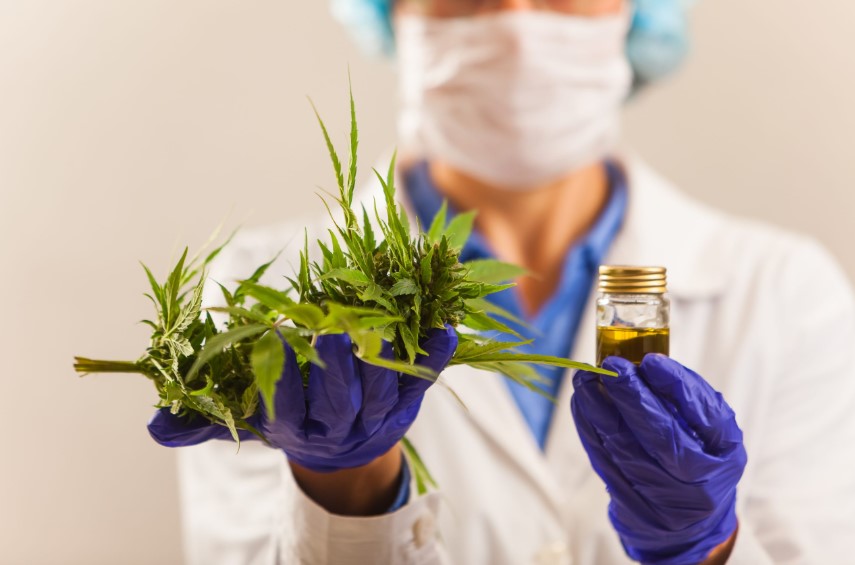
Understanding beta-caryophyllene purity is essential when evaluating terpene ingredients, extracts, or botanical formulations.
Purity refers to the concentration of the intended compound and the absence of unwanted substances. High-quality terpene evaluation involves detailed testing procedures designed to confirm chemical identity and consistency.
Factors That Influence Beta-Caryophyllene Purity
Source Material
The plant source can influence the natural concentration and chemical composition of extracted beta-caryophyllene.
Extraction Technology
Different extraction techniques may impact terpene stability, concentration, and overall quality.
Laboratory Testing
Professional testing commonly examines:
- Terpene concentration
- Chemical composition
- Batch consistency
- Potential contaminants
Storage and Handling
Environmental factors such as temperature, oxygen exposure, and light can affect terpene stability over time.
Reliable terpene suppliers focus on transparency throughout sourcing, testing, and production. RHS Formula highlights the importance of quality awareness and composition through responsible ingredient evaluation, and what is BCP (Best Compliance Practices) is to ensure consistent standards and trusted formulations.
How to Evaluate Beta-Caryophyllene Products
Consumers and professionals researching terpene-based products should consider several quality indicators.
Review Testing Information
Laboratory reports can provide valuable details about:
- Ingredient verification
- Purity levels
- Chemical analysis
Consider Source Transparency
Understanding where beta-caryophyllene originates helps evaluate authenticity and consistency.
Look for Clear Product Information
Reliable information about extraction methods, testing procedures, and ingredient details allows for more informed choices.
RHS Formula highlights the importance of quality awareness and education when exploring naturally derived terpene ingredients.
Frequently Asked Questions
1. What is BCP?
BCP (beta-caryophyllene) is a naturally occurring plant terpene responsible for spicy, woody, and pepper-like aromas found in plants such as black pepper, cloves, hops, and cannabis.
2. Where does beta-caryophyllene come from?
Beta-caryophyllene naturally occurs in many plants and is commonly extracted from botanical sources rich in essential oils.
3. What are beta-caryophyllene strains?
Beta-caryophyllene strains are cannabis varieties that contain measurable levels of this terpene. Their concentration depends on genetics, cultivation practices, and testing results.
4. How is beta-caryophyllene purity tested?
Beta-caryophyllene purity is evaluated through laboratory testing that confirms terpene concentration, chemical identity, and overall quality standards.
5. Is BCP the same as CBD or THC?
No. Beta-caryophyllene is a terpene, while CBD and THC are cannabinoids. They are separate categories of plant compounds.
6. Why is BCP in cannabis important?
BCP in cannabis contributes to terpene profiles and helps create the distinctive aromas and characteristics associated with certain cannabis varieties.
Conclusion
Beta-caryophyllene represents one of the most interesting naturally occurring terpenes due to its widespread presence, unique chemical structure, and growing role in botanical research, with increasing interest among researchers and natural product enthusiasts in Calgary.
Understanding BCP’s natural sources, chemical characteristics, purity standards, and role in terpene research provides deeper insight into botanical formulations.
As interest in natural compounds continues to grow, education, transparency, and reliable testing remain essential for understanding the quality and characteristics of terpene-based products.
Unlock deeper knowledge about beta-caryophyllene and terpene excellence. Visit our website, rhsformula.com, for trusted information on quality, testing, and botanical innovation.